Exercise & Movement for Fibromyalgia
Exercise is one of the most evidence-supported treatments for fibromyalgia. A bibliometric analysis of 497 publications (2014–2023) found a consistent upward trend in research, with exercise showing effectiveness across multiple domains.
What the Research Shows
Regular physical activity has been shown to:
- Reduce pain severity
- Improve sleep quality
- Enhance mood and reduce anxiety/depression
- Strengthen physical condition
- Counteract sarcopenia (muscle wasting) — fibromyalgia patients have 9x greater odds of probable sarcopenia
Types of Exercise That Help
🚶 Aerobic Exercise
Walking, swimming, cycling at low-to-moderate intensity. Start with 5–10 minutes and build gradually. The key is consistency, not intensity.
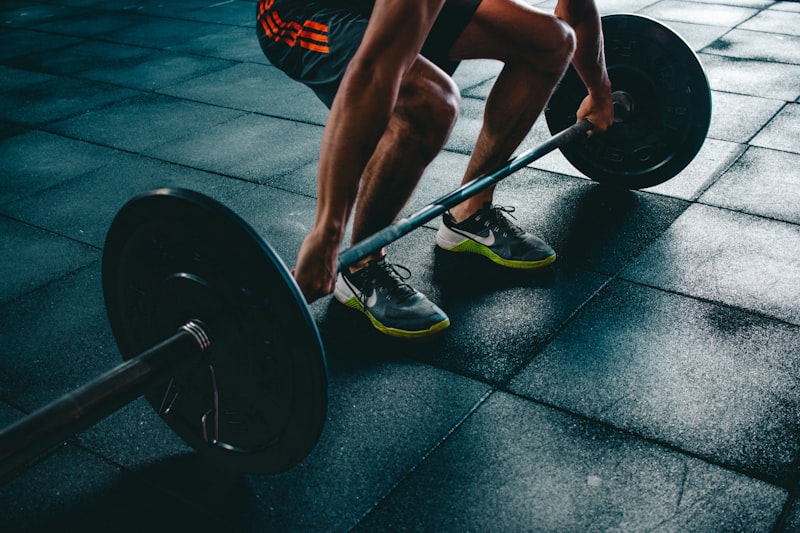
💪 Resistance Training
Light weights or resistance bands. Essential for preventing muscle weakness. Start very light (1–2 kg), 1–2 sets of 8–12 reps. Rest days between sessions.
🧘 Yoga & Tai Chi
Mind-body practices that combine gentle movement, breathing, and mindfulness. Multiple RCTs show significant pain reduction and improved quality of life.
💧 Aquatic Therapy
Water reduces joint stress while providing resistance. Warm water (32–34°C) can be especially soothing for muscle tension.
Starting Safely
The most common mistake is doing too much too soon. The "start low, go slow" principle is essential:
- Begin with 5–10 minutes of gentle activity
- Gradually increase by 1–2 minutes per week
- Expect post-exertional malaise — some increased symptoms for 24–48 hours is common initially
- Rest days are essential — never exercise on consecutive days when starting
- Track your response — what helps one person may not help another
Important: Consult a physiotherapist or healthcare provider before starting a new exercise program. This guidance is educational, not prescriptive.